Hello! My name is Vicky Lambert-Pontbriand. During my career at Lionel-Groulx College, my program was Social Science. I created this glossary for new students in this program, so that they could see what it looks like and also for those who are at the moment, perhaps to help them. The words in this glossary are all related to this program and will help you learn more and help you with your field of study.
anthropology
noun
The study of human societies and cultures and their development.
Example: These faculty came from the departments of Sociology, Psychology, anthropology, Political Science, Urban Studies, Criminal Justice, Women's Studies, and African-American Studies.
fr: anthropologie
communication
noun
Communication is simply the act of transferring information from one place, person or group to another. Every communication involves (at least) one sender, a message and a recipient. ... These include our emotions, the cultural situation, the medium used to communicate, and even our location.
Example: The test results and user-feedback help to further establish a set of design methodology which can be used by the industrial designers and media designers to develop a communication device ideally suited to meet the requirements of elderly users.
fr: communication
counseling
noun
The provision of assistance and guidance in resolving personal, social, or psychological problems and difficulties, especially by a professional.
Example: Results indicated that there was a repressive defensive trend among counseling psychology students.
fr: relation d'aide
economy
noun
The wealth and resources of a country or region, especially in terms of the production and consumption of goods and services.
Example: In the late 1990s, the economy of Southeast Asia sank into recession.
fr: économie
evolution
noun

Evolution is defined as the process of growth and development or the theory that organisms have grown and developed from past organisms.
Example: Then the role of evolution in creating man's need for complexity is explored.
fr: évolution
general knowledge
noun
General knowledge is information that has been accumulated over time through various mediums. It excludes specialized learning that can only be obtained with extensive training and information confined to a single medium. General knowledge is an essential component of crystallized intelligence.
Example: When a new taxa is discovered the general knowledge about its behaviour and geographic distribution is bound, by virtue of its novelty, to be limited.
fr: connaissance générale
geography
noun
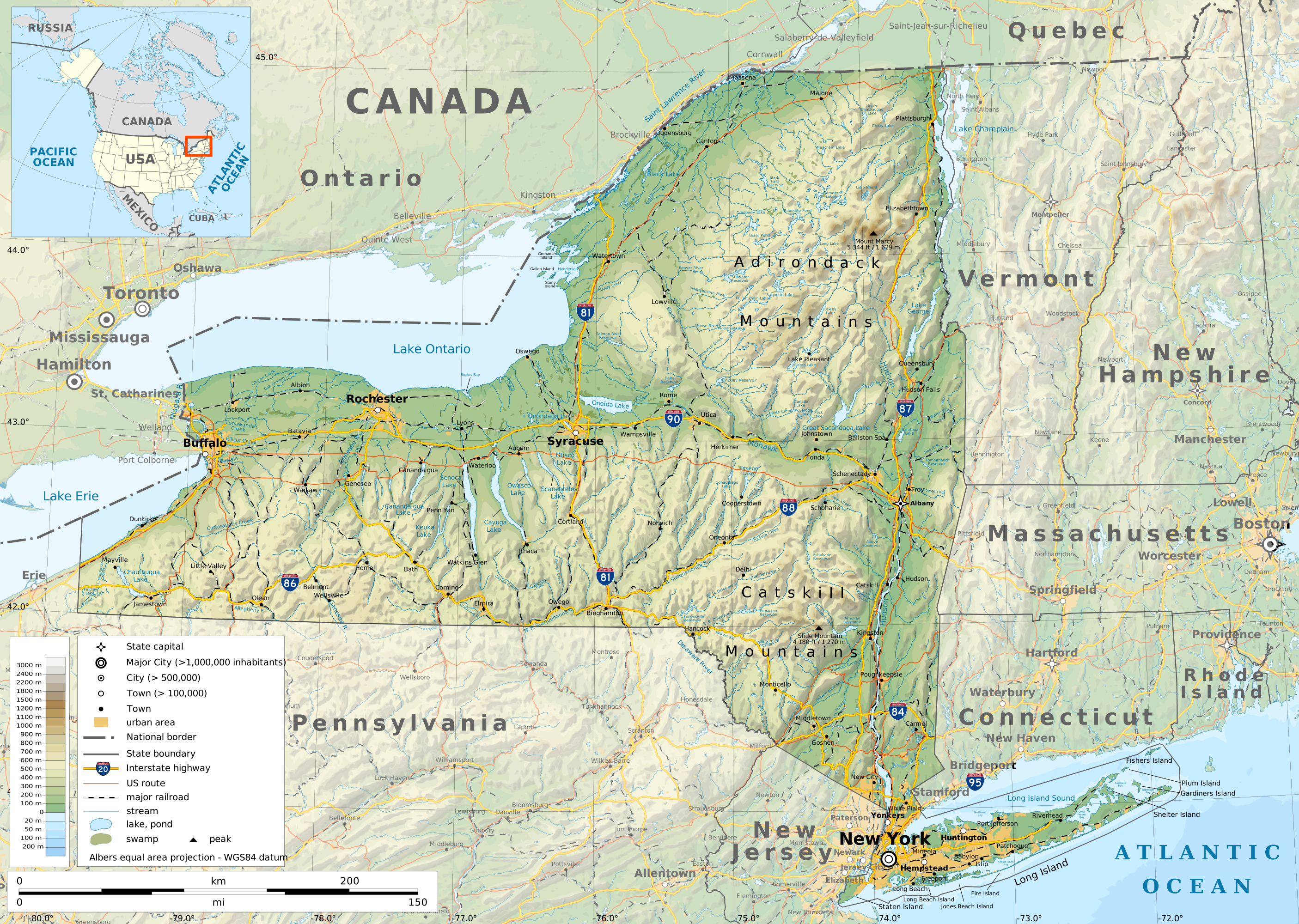
The study of the physical features of the earth and its atmosphere, and of human activity as it affects and is affected by these, including the distribution of populations and resources, land use, and industries.
Example: The investigation included ethnographic studies, which addressed the different land, riverine and marine food groups consumed by the Ngarrindjeri people during the 19th and 20th centuries and biogeographical analysis which addressed the geography of South Australia.
fr: la géographie
history
noun
History (from Greek ἱστορία, historia, meaning "inquiry; knowledge acquired by investigation") is the study of the past. ... "History" is an umbrella term that relates to past events as well as the memory, discovery, collection, organization, presentation, and interpretation of information about these events.
Example: This dissertation examines three-deckers not only as vernacular architecture, but also through the lens of social history, studying the people who built them, lived in them, and opposed them, to depict how a popular multifamily house was transformed into a symbol of bad housing.
fr: histoire
human behavior
noun
Human behaviour refers to the way humans act and interact. It is based on and influenced by several factors, such as genetic make-up, culture and individual values and attitudes.
Example: The students, on the other hand, sought to conduct inquiry based on real world, concrete, empirically demonstrated and personally experienced instances of human behavior related, preferably, in anecdotal form.
fr: comportement humain
human development
noun
Human development is defined as the process of enlarging people's freedoms and opportunities and improving their well-being. Human development is about the real freedom ordinary people have to decide who to be, what to do, and how to live.
Example: Human development can be described in terms of three attributes: capacities, skills and aspirations (Singleton, 198 1).
fr: développement humain
individual
noun
A single human being as distinct from a group, class, or family.
Example: And third, focusing on Brahms's early career, I explore the ways in which collective memory shaped individual and cultural identities.
fr: individu
mental health
noun
A person’s condition with regard to their psychological and emotional well-being.
Example: All were trained in the mental health treatment fields and licensed or licensed eligible to practice in the mental health field.
fr: santé mentale
philosophy
noun
The study of the fundamental nature of knowledge, reality, and existence, especially when considered as an academic discipline.
fr: philosophie
politic
adjective
(of an action) Seeming sensible and judicious under the circumstances
Example: Its most striking feature is the importance attributed to princely officials: judges and provincial governors are the eyes, ears and tongue of the body politic; officials are the hands; and financial officers the stomach and intestines.
fr: politique
psychology
noun
The scientific study of the human mind and its functions, especially those affecting behavior in a given context.
Example: Different types of training between persons trained in the related mental health fields were found to be significant when measuring their knowledge level of applicable laws in the treatment of individuals in the psychology field.
fr: psychologie
religion
noun
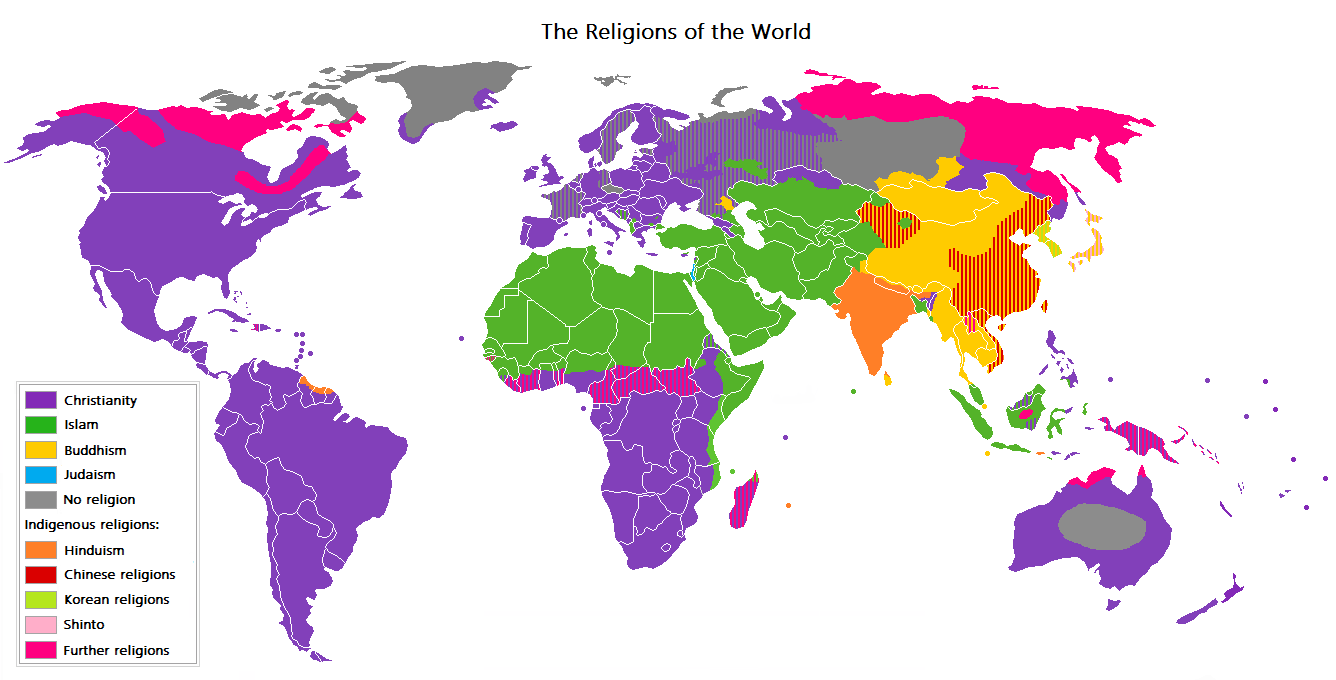
"Religion is a system of beliefs and practices by means of which a group of people struggle with the ultimate problem of human life." ... "Religion is that system of activities and beliefs directed toward that which is perceived to be of sacred value and transforming power."
Example: My dissertation therefore demonstrates the intellectual connections between religion and conceptions of race, and highlights the religious values that inform the legal right to marry.
fr: religion
research
noun
The systematic investigation into and study of materials and sources in order to establish facts and reach new conclusions.
Example: This research project examines current approaches to reclamation in the Western region.
fr: recherche
society
noun
The aggregate of people living together in a more or less ordered community.
Example: The dissertation offers a critical analysis of the political underpinnings, pedagogical aims, racial schemas, and aesthetic ends of propaganda architecture as they were conceived and constructed under the aegis of the society for National Heritage.
fr: société
sociology
noun
Sociology is the study of social life, social change, and the social causes and consequences of human behavior.
Example: Using a theoretical perspective combining Critical Discourse Analysis (CDA), cultural studies, media studies, anthropology, urban studies, and sociology, this study examines the homelessness coverage in two elite American newspapers (The Christian Science Monitor and The Washington Post) to discuss how the representations are informed by ideologies in a wider social context.
fr: sociologie
teamwork
noun
The combined action of a group of people, especially when effective and efficient.
Example: Adventure-based training has become an effective medium for delivering experiential training programs within a variety of disciplines such as; school outdoor education, corporate teamwork development, youth at risk and psychological counseling.